
Panel and production sanding
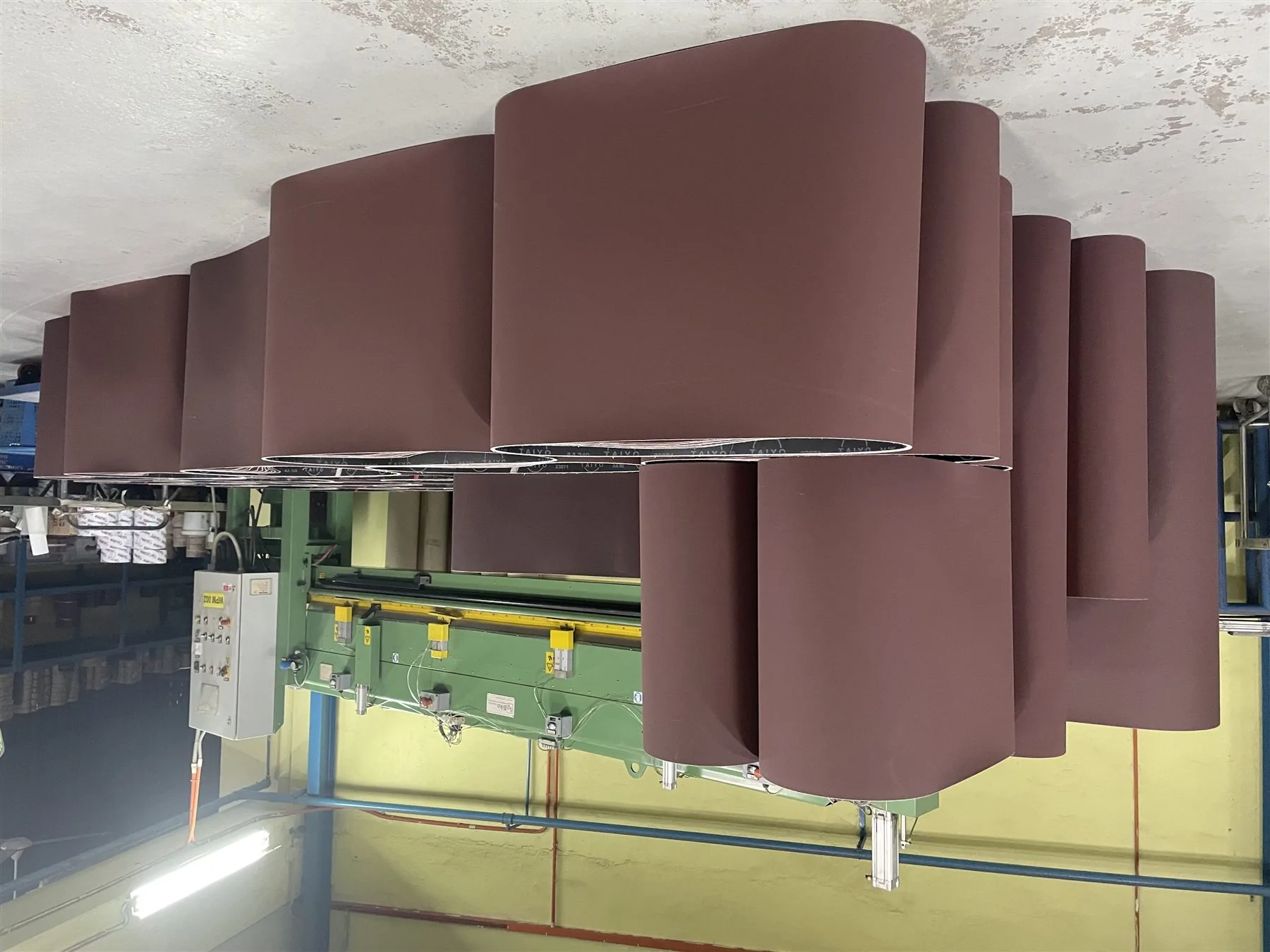
For wide-belt machines used in board, panel, furniture and calibrated surface-processing lines.
Industrial sanding belts · Malaysia
Citra Oasis supplies and converts coated abrasive belts for woodworking, furniture, metalworking and surface preparation, with size and product guidance based on the application.
The machine and contact system determine the belt dimensions, backing demands and operating conditions. Confirm the exact machine specification instead of ordering by a generic belt name.
For wide-belt machines used in board, panel, furniture and calibrated surface-processing lines.
For edge sanding, linishing, grinding, blending and other narrow-belt machine operations.
Purpose-sized belts for compatible handheld belt sanders and controlled preparation work.
Quotation checklist
A belt code or grit alone is not enough. These six details let the supplier check size, construction and likely operating demands before recommending a starting product.
Use the complete sanding belt checklist →Use millimetres and confirm whether the stated length is the full belt circumference.
Give the machine model where possible and describe platen, contact wheel, drum or wide-belt operation.
Name the timber, board, carbon steel, stainless steel, non-ferrous metal, paint system or other surface.
State the starting and finishing grits and where scratches, loading, burning or short life occur.
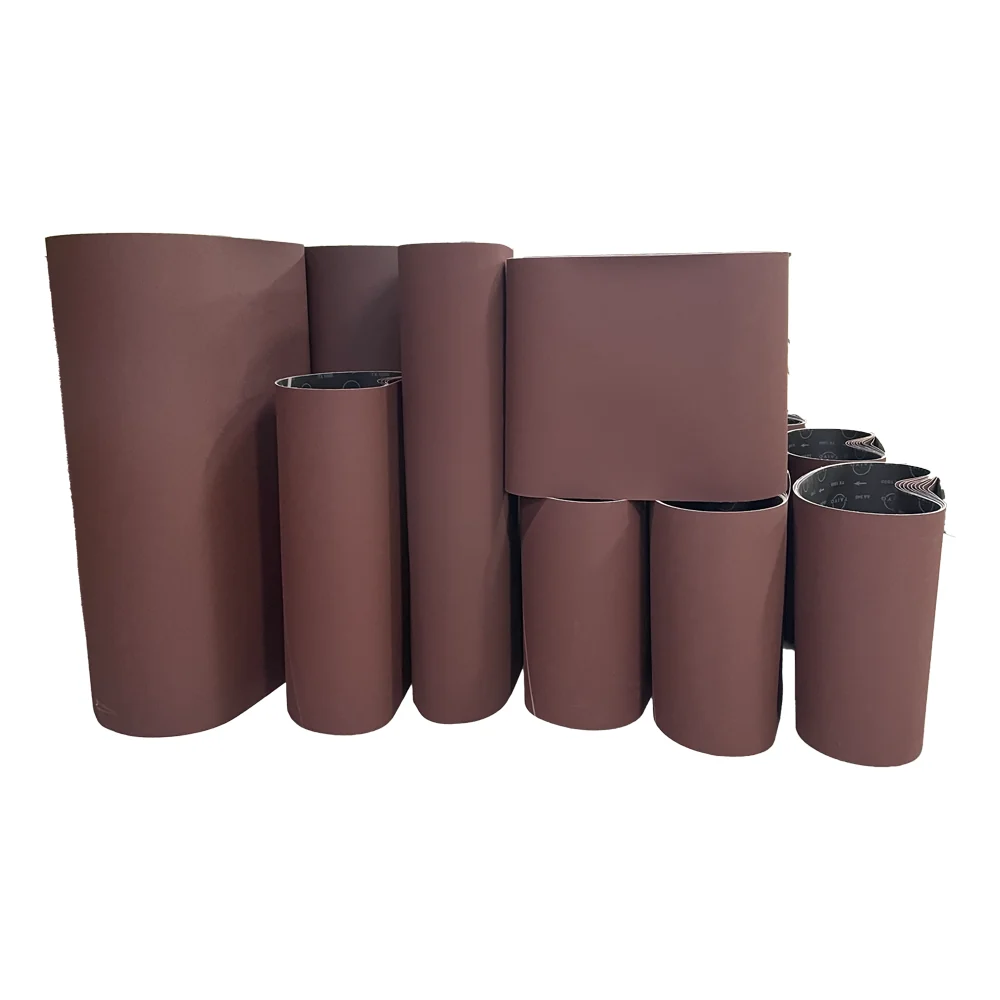
Share the brand, product code, backing or grain if known. A clear photograph can help identify it.
Define stock removal, scratch finish, coating preparation and the quantity required for evaluation or production.
Grain, backing, coating, grit and joint must work together. Changing one variable can alter cutting rate, flexibility, heat and service life.
| Selection factor | Why it matters | Questions to answer |
|---|---|---|
| Abrasive grain | Influences cutting behaviour, fracture and durability | Wood, steel, paint, glass, stone or another material? |
| Backing | Affects flexibility, strength, tracking and resistance to operating stress | Contour sanding or flat stock removal? Handheld, narrow or wide belt? |
| Coating density | Changes grain coverage and chip clearance | Is loading a problem? Is the material soft, resinous or painted? |
| P grit | Controls removal rate and scratch pattern | What defect must be removed, and what process comes next? |
| Belt joint | Must suit the belt construction and machine operation | What machine, contact system, direction and finish sensitivity apply? |
Performance depends on the workpiece, machine condition, speed, pressure, extraction and operator practice. Confirm a new belt construction through a controlled sample trial before wider production use.
Citra Oasis converts selected abrasive material into belts sized for customer requirements. The exact process and joint depend on the material and belt specification.
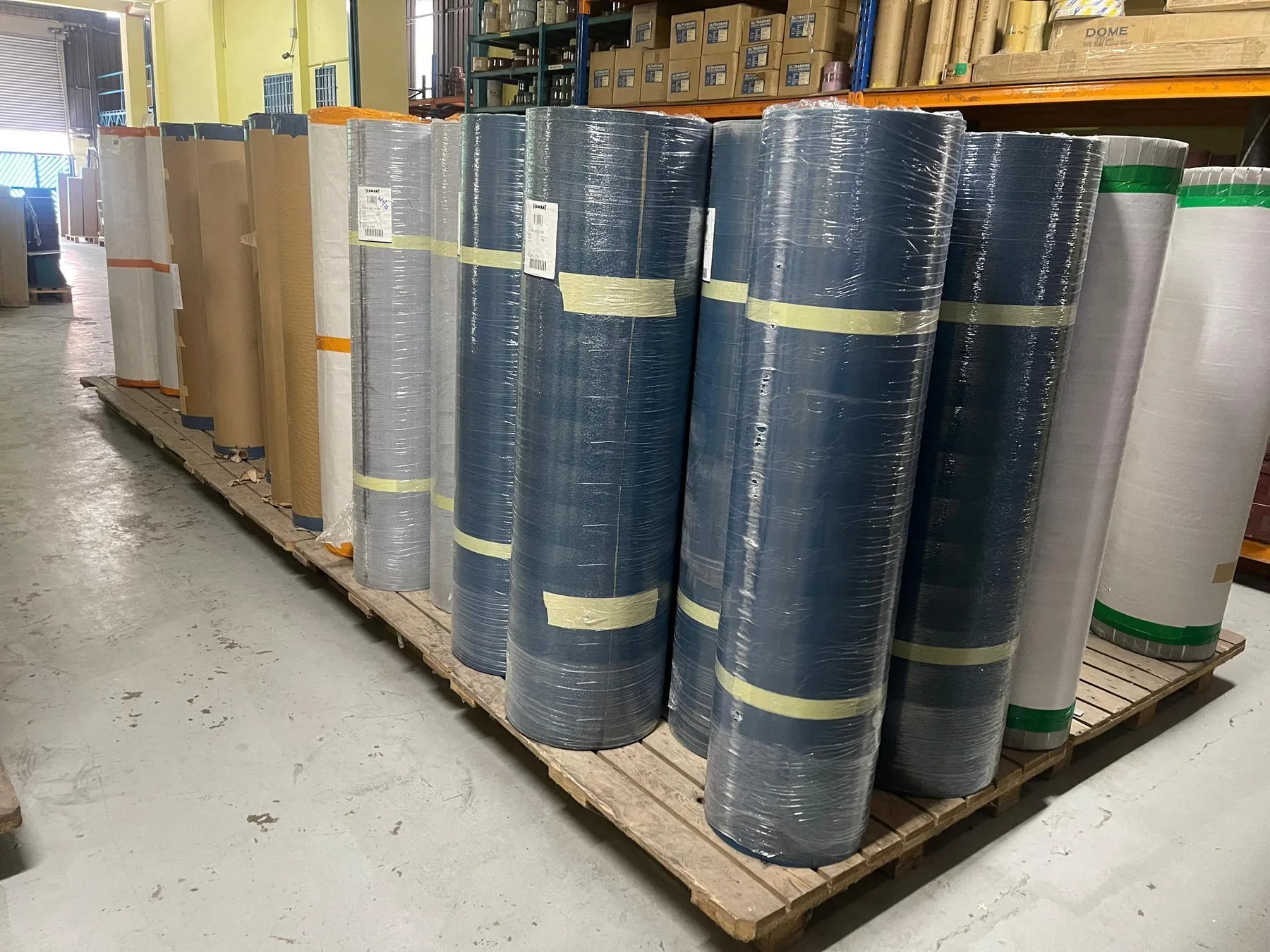
Choose an available construction suited to the workpiece and operating conditions.
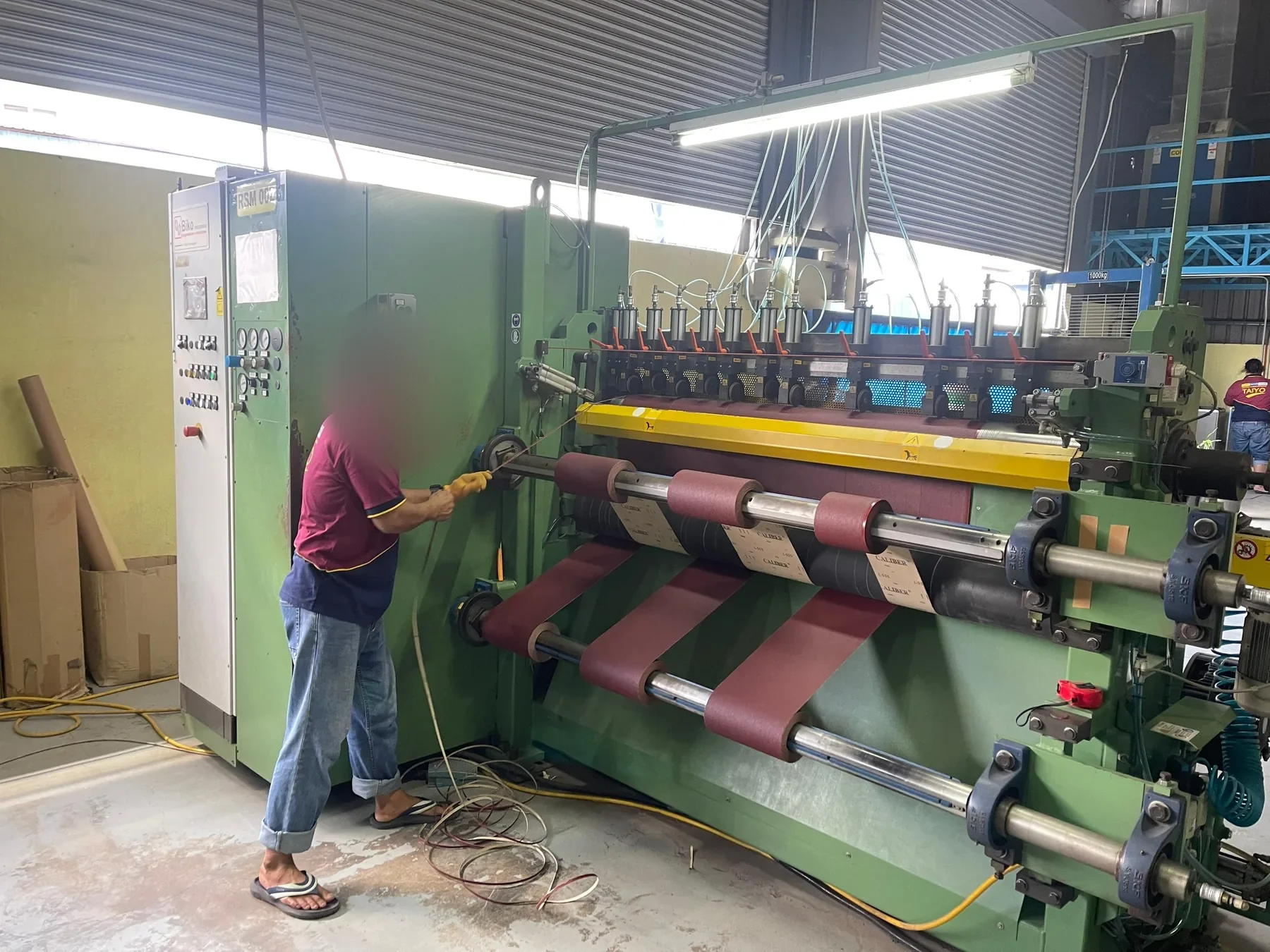
Prepare the abrasive material for the specified belt width and length.
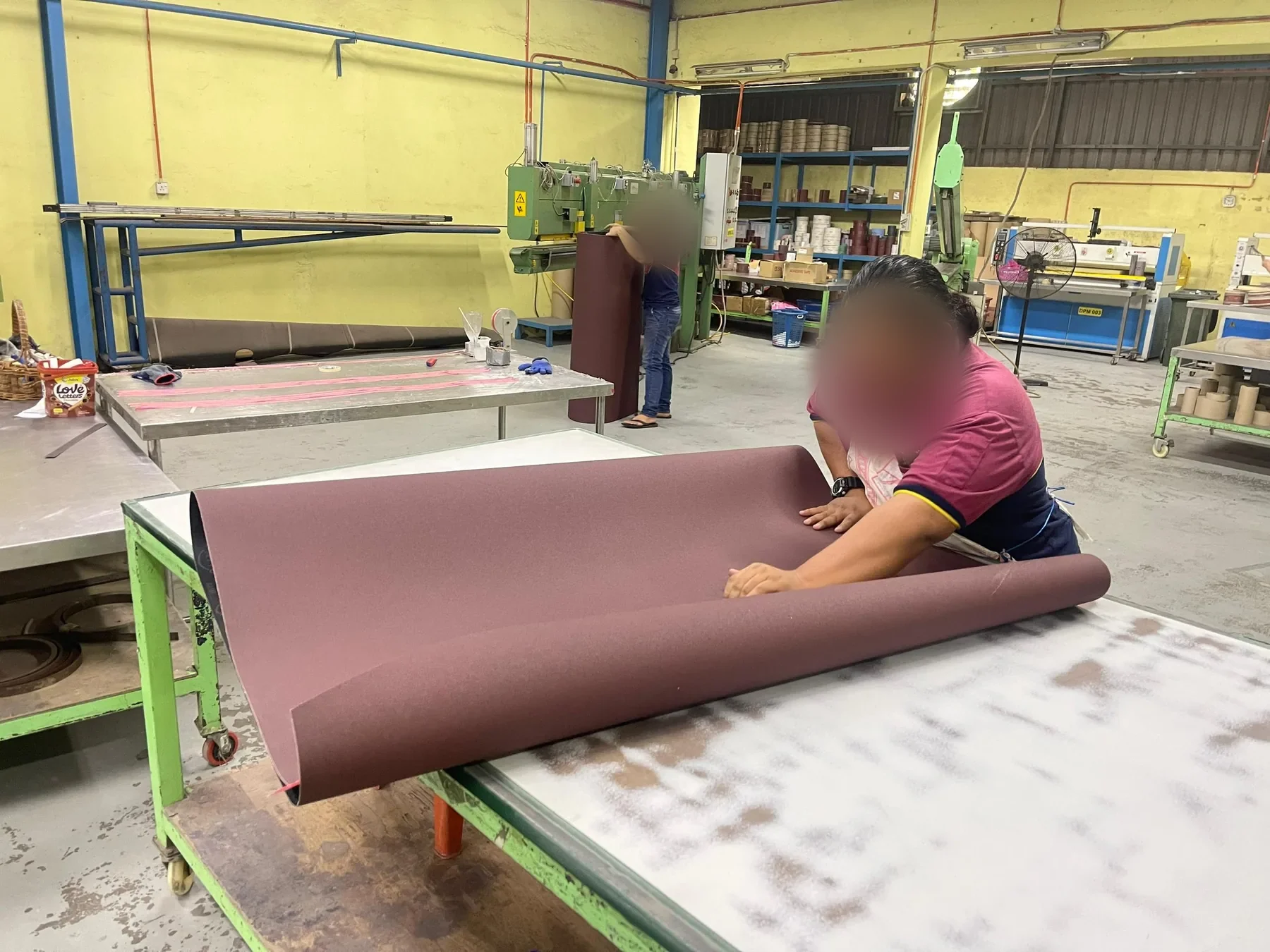
Prepare and align the belt ends for the selected joining method.
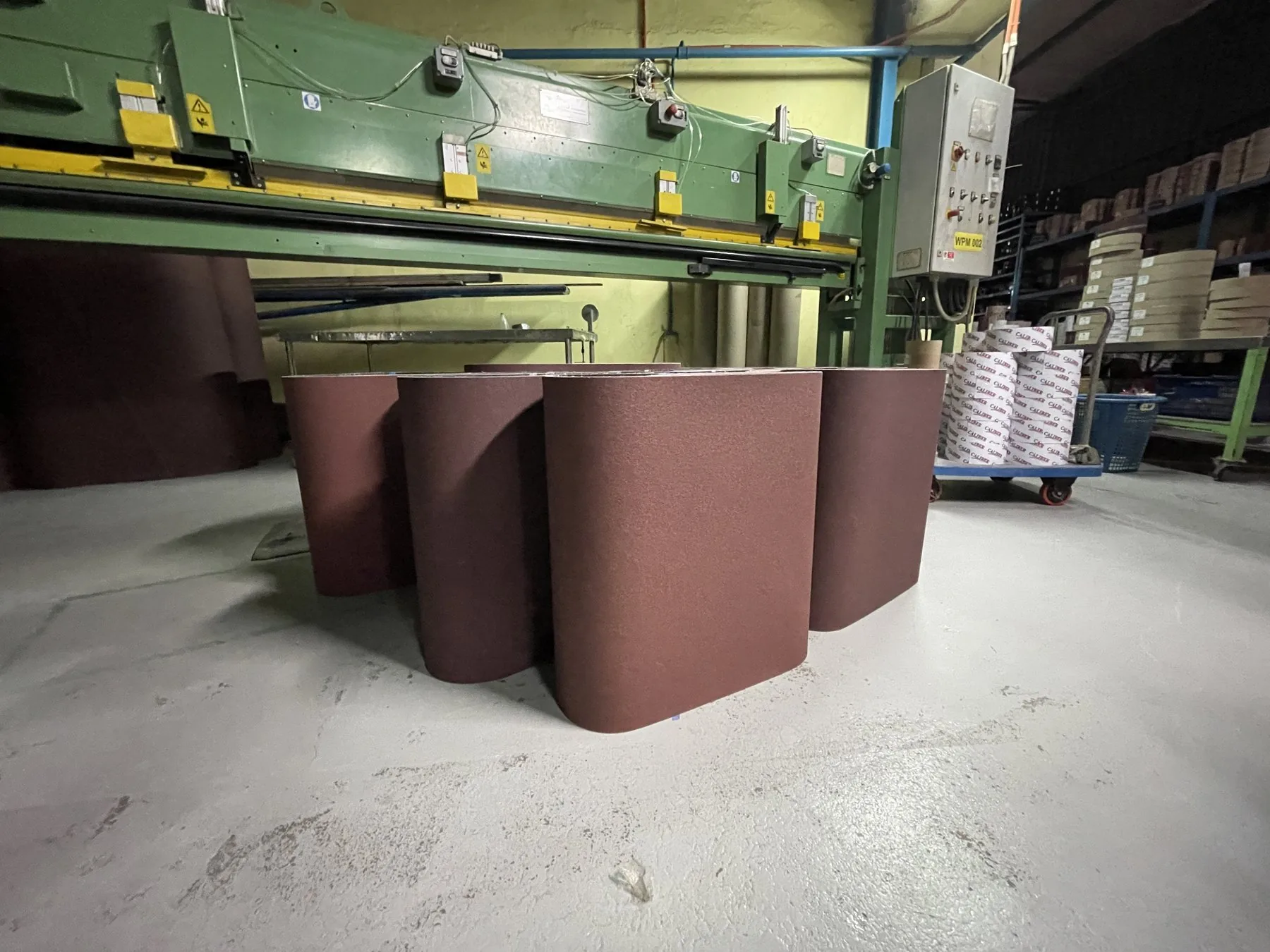
Complete the belt for checking, packing and supply.
Use these as starting points. Final product suitability still depends on the specific workpiece, machine and target finish.
Clear specifications prevent avoidable quotation delays and make sample evaluation more useful.
Provide belt width and length, machine, workpiece material, P grit, current abrasive product if known, quantity and the finish or problem you need to address.
Citra Oasis converts sanding belts to customer dimensions, subject to abrasive material, width, grit and construction availability. Confirm the exact size and application before ordering.
The starting grit depends on the defect or stock you must remove. The finishing grit depends on the next process and required scratch pattern. Use the grit sequence guide as a starting point and trial the process.
Possible causes include the wrong coating density, dull abrasive, excessive pressure, insufficient extraction, unsuitable speed or a heat-sensitive workpiece. Review the entire process rather than changing grit alone.
Include width × length, machine, material, grit, current product, quantity and the result you need. You can review the generated WhatsApp enquiry before sending it.